

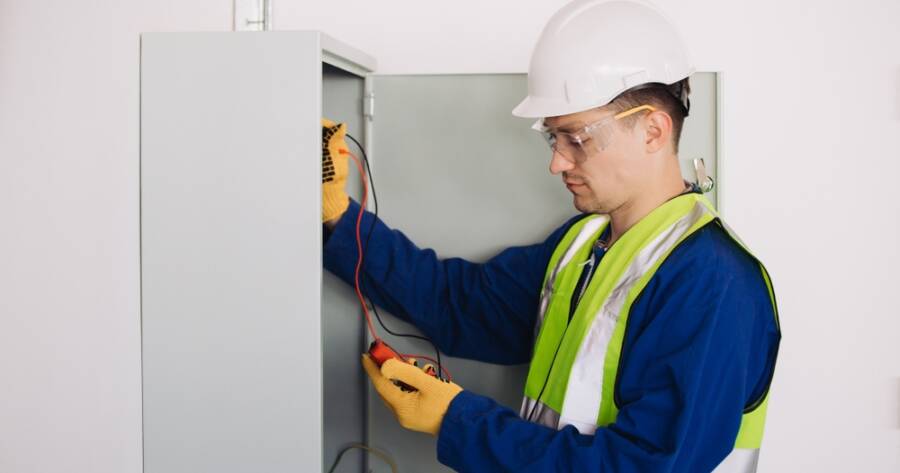
Electrical safety is paramount in the industry, with companies adhering to rigorous standards to protect workers from hazards like shocks and fires. By identifying risks, implementing safety measures, and prioritizing training, electrician companies foster a secure work environment. Understand the essential practices that ensure compliance and safety in the ever-evolving electrical field.
Understanding Electrical Safety Standards
Electrician companies prioritize safety by adhering to stringent standards set by organizations like the Occupational Safety and Health Administration (OSHA) and the National Fire Protection Association (NFPA). These standards are designed to protect workers from electrical hazards such as electric shock, electrocution, fires, and explosions.
Compliance with these standards is crucial for preventing workplace accidents and ensuring a safe working environment (source). The NFPA 70E standard, in particular, provides specific procedures for maintaining electrical safety in the workplace, emphasizing the importance of training and the use of personal protective equipment (PPE) (source).
Identifying and Mitigating Electrical Hazards
Recognizing potential electrical hazards is a fundamental aspect of safety in the electrical industry. Common hazards include contact with power lines, lack of ground-fault protection, and improper use of equipment. Electrician companies focus on identifying these risks to mitigate them effectively.
Implementing solutions such as insulation, guarding, grounding, and using electrical protective devices are key strategies employed to reduce or eliminate these hazards (source). Regular inspections of electrical equipment for defects, such as frayed wiring, are also crucial in preventing accidents (source).
The Role of Training in Electrical Safety
Training is a cornerstone of safety in electrician companies. Employees are trained to anticipate and avoid job-related hazards, ensuring they are equipped with the knowledge to work safely and prevent injuries. This training includes understanding the proper use of tools and equipment, recognizing potential hazards, and knowing how to respond in emergency situations (source). Additionally, staying up to date with industry standards and safety practices is vital for maintaining a strong safety culture within the company (source).
Implementing Safety Measures and Equipment
Electrician companies implement various safety measures to protect their workers in a variety of environments. Personal protective equipment (PPE) such as insulated gloves and safety glasses are essential when working with electricity. Ground-fault circuit interrupters (GFCI) are used in wet or damp environments to prevent electrical shocks.
Moreover, ensuring that electrical equipment is certified for safety by organizations like Underwriters Laboratories (UL) guarantees compliance with safety standards (source). Proper rating and labeling of electrical measurement tools are also crucial to prevent accidents and ensure safe operation (source).
Why You Should Learn More About Electrical Safety
Understanding how electrician companies ensure safety is essential for anyone involved in the electrical industry. By adhering to established safety standards, identifying and mitigating hazards, and implementing comprehensive training programs, these companies create a safer working environment for their employees.
Staying informed about the latest safety practices and technologies can help prevent accidents and ensure compliance with industry regulations. As electrical systems continue to evolve, ongoing education and awareness are key to maintaining safety and protecting both workers and the public.