

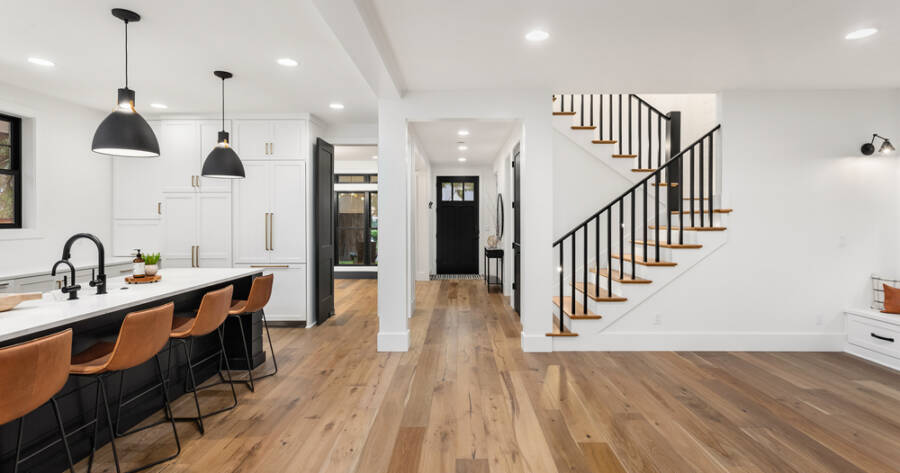
Home remodeling continues to reshape how Americans think about their properties — not just as places to live, but as long-term financial assets worth nurturing through thoughtful upgrades and strategic investment decisions.
The Growing Scale of Home Improvement Spending
The home remodeling industry has experienced remarkable growth over the past several years. Annual spending on home improvement and repairs surged from $404 billion in 2019 to $611 billion in 2022, and projections suggest that figure will remain above $600 billion through 2025 (source). This sustained momentum reflects how deeply homeowners have come to value their living spaces, particularly following shifts in how people use their homes day-to-day.
What’s equally telling is how much individual homeowners are personally investing. The average homeowner spent close to $4,700 on improvements in 2023 — a number that sits nearly 9 percent higher than spending during the previous market peak in 2007 (source). This upward trajectory signals not just rising costs, but a cultural shift toward prioritizing home quality and long-term property value.
Renovation budgets among those undertaking major projects have also climbed sharply. The median renovation expenditure rose by 60 percent between 2020 and 2023, moving from $15,000 to $24,000, with more than half of all renovating homeowners spending $25,000 or more in 2023 (source). These figures underscore that remodeling has evolved from a modest touch-up exercise into a significant financial commitment for millions of American households.
Which Projects Deliver the Strongest Returns
Not every remodeling project yields equal financial rewards at resale. According to data from the 2025 Cost vs. Value Report, garage door replacement tops the list with a return on investment of 194 percent, while a steel entry door replacement follows closely with a 188 percent return (source). These numbers may surprise homeowners who assume that large interior overhauls always outperform simpler exterior updates.
Zillow’s research reinforces this pattern, identifying steel entry door replacement, manufactured stone veneer, and fiber-cement siding as top-performing improvements for boosting resale value (source). The recurring theme across these high-return projects is curb appeal — first impressions carry genuine financial weight in the real estate market. Exterior upgrades consistently rank among the best performers precisely because buyers often form strong opinions before they ever step inside a property (source).
Interior upgrades also hold meaningful value for homeowners. Minor kitchen remodels and bathroom renovations strike an appealing balance between upfront cost and the value they add at the point of resale (source). These spaces are among the most scrutinized during a home showing, and targeted improvements — new fixtures, updated cabinetry, modern finishes — can meaningfully influence a buyer’s willingness to pay a premium.
Smart and Energy-Efficient Upgrades on the Rise
Beyond aesthetics and traditional renovations, a new category of home improvement is gaining traction with both current owners and prospective buyers. Smart-home technology and energy efficiency upgrades are increasingly viewed as valuable additions, making them sound long-term investments for homeowners not planning to sell immediately (source). Features such as programmable thermostats, smart security systems, and energy-efficient windows address the practical preferences of modern buyers.
As utility costs and environmental awareness continue influencing purchasing decisions, homes equipped with these features stand out in a competitive market. Homeowners who invest in energy efficiency tend to benefit in two ways: through reduced operating costs during their time in the home and through enhanced appeal when the property eventually goes to market. This dual benefit makes the category particularly attractive for those thinking about remodeling with a multi-year horizon in mind.
Balancing Personal Enjoyment with Investment Strategy
Experienced homeowners often approach remodeling with two parallel goals: improving daily comfort and protecting or growing property value. These objectives are not always in conflict, but they do require careful planning. A luxury bathroom addition might deliver personal satisfaction without generating equivalent returns at resale, while a straightforward exterior improvement could produce outsized financial gains with minimal disruption during the project itself.
Understanding which upgrades align with both personal lifestyle needs and local real estate market expectations is essential for making informed decisions. Regional factors — including neighborhood norms, climate considerations, and buyer demographics — can all influence which projects perform best in a given area. What generates a strong return in one market may not carry the same weight in another, making localized research a critical part of any remodeling strategy.
Why You Should Learn More About Home Remodeling Today
Home remodeling represents one of the most direct ways American homeowners can shape their financial futures while enhancing daily quality of life. The data consistently points to strong spending momentum, with exterior projects and energy-efficient upgrades leading the way in return on investment. Whether the motivation is personal comfort, resale preparation, or both, understanding remodeling trends empowers homeowners to make decisions that serve them well over time. The most successful renovators tend to be those who study market data, align their projects with buyer preferences, and approach each investment with long-term thinking rather than short-term impulse.