

A vehicle’s paint does more than turn heads in a parking lot. It shields the metal underneath from environmental wear, helps retain resale value, and reflects the overall condition of the car. Understanding car paint services helps owners make smarter decisions about protecting their investment.
What Car Paint Actually Does for a Vehicle
Car paint serves a dual purpose that most drivers overlook. On the surface level, it defines how a vehicle looks and contributes directly to its perceived value. Beneath the visual appeal, however, paint acts as a barrier against the natural world. Modern automotive paints are engineered to resist fading while standing up to environmental threats including acid rain, dust, tree sap, and bird droppings (source).
When that protective layer is compromised, the consequences extend well beyond cosmetic concerns. Damage to a vehicle’s paintwork can lead to more severe problems, such as rust or corrosion, which ultimately affects the vehicle’s resale value (source). In other words, a scratch or chip left unaddressed today can become a significantly more expensive structural problem tomorrow.
The Different Types of Automotive Paint
Not all car paint is created equal, and the type of paint a vehicle receives has a direct impact on the quality, longevity, and cost of the service. Understanding the major categories helps owners communicate with professionals and evaluate quotes more confidently.
Most vehicles on the road today are finished with an acrylic polyurethane enamel system that layers a primer, a basecoat, and a clear topcoat over the vehicle’s body panels (source). This multi-layer approach provides strong protection and a glossy finish that holds up well over time. The clearcoat on top takes the brunt of UV exposure and minor abrasion, preserving the color layer beneath it.
For owners of luxury or specialty vehicles, tri-coat and other multi-stage paint systems are commonly applied. These involve a basecoat, a translucent mid-coat containing pearl or metallic additives, and a final clearcoat that delivers both protection and depth of luster (source). The result is the rich, layered appearance often associated with high-end automotive finishes.
Environmental considerations have also reshaped the industry. Waterborne paint systems have gained significant traction as an alternative to traditional solvent-based formulas. Solvent-borne paints carry high levels of volatile organic compounds, and their use has been restricted or banned in certain regions. Waterborne systems offer a more environmentally responsible option without sacrificing finish quality (source).
What Determines the Cost of Car Paint Services
Several variables come into play when a shop calculates the price of a car paint job. The scope of the work is the most obvious factor. A basic single-color application across an entire vehicle can start around $500, while a premium job using specialty paints may reach $2,500 or more (source). Spot repairs and panel-specific work will typically fall somewhere between those ranges depending on complexity.
Labor rates are another significant cost driver, and they vary widely by location. According to AAA, shop labor rates across the country range from $47 to $215 per hour (source). A shop in a major metropolitan area will almost always charge more per hour than one in a rural market, even for identical work.
The make and model of a vehicle also shapes the final bill considerably. Luxury and high-performance cars often require specialty paints and factory-matched color formulations that cost more to source and apply. Repairs on these vehicles may also demand a higher level of technician skill, which is reflected in the overall price (source).
Choosing the Right Paint Service for the Job
Matching the type of paint service to the specific situation is important for both quality outcomes and cost management. Minor chips and scratches may only require targeted touch-up work, while faded panels across the entire vehicle call for a more comprehensive approach. Owners should request detailed written estimates from reputable shops and ask specifically about the paint system being used, the number of coats applied, and whether the work carries any warranty.
Vehicles with factory tri-coat or specialty finishes deserve particular attention. Using the wrong paint type or skipping the mid-coat layer can produce a visible mismatch between repaired and unrepaired panels. Shops with certified technicians who specialize in color matching are better positioned to deliver results that blend seamlessly with the factory finish.
Car Paint Repair and Protection Services Worth Considering
Professional auto paint shops offer several services depending on the extent of the damage. Small chips and isolated scratches may be addressed with paint touch-ups, while spot repairs involve refinishing a damaged area and blending it with the surrounding paint. More extensive damage may require repainting an entire panel, such as a door or hood. For widespread fading or deteriorating paint, a complete vehicle repaint may be appropriate. Paint correction is another option for removing minor surface imperfections and restoring shine without applying new paint (source).
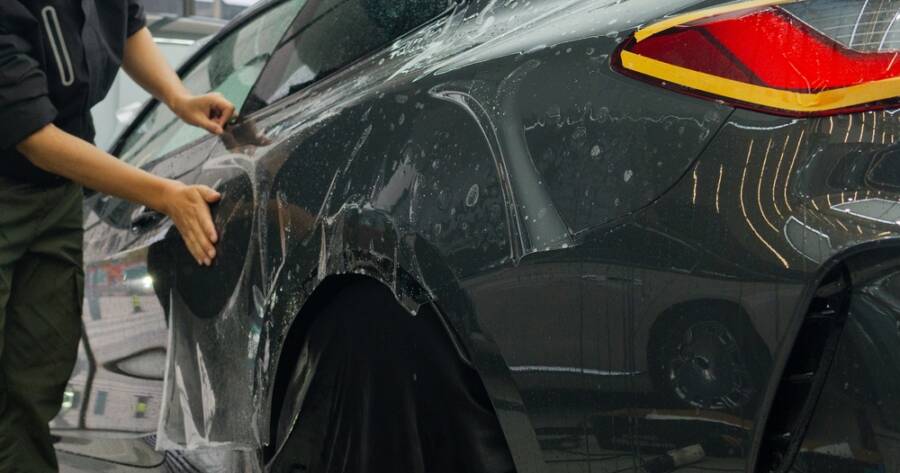
After repairs, owners can choose from several paint protection services. Traditional wax provides a temporary protective layer, while synthetic sealants generally last longer between applications. Ceramic coatings create a water-repellent finish that helps protect against environmental contaminants and makes cleaning easier. Paint protection film (PPF) creates a transparent physical barrier that helps protect vehicle paint against minor scratches, stone chips, and road debris. It can be particularly useful on exposed areas such as the hood and front bumper, which are more vulnerable to damage during everyday driving (source). None of these treatments makes paint completely damage-proof, so regular washing and proper maintenance remain essential.
Why You Should Learn More About Car Paint Services
Car paint services represent a meaningful intersection of aesthetics, protection, and long-term vehicle value. Whether a driver is dealing with collision damage, weather-related fading, or simply wants to refresh an aging finish, the right paint service makes a measurable difference. Paint type, labor rates, and vehicle specifics all play a role in the outcome.
Owners who take time to understand these factors are better equipped to choose qualified professionals, ask the right questions, and avoid unnecessary expenses. A well-maintained paint job is not just about appearance, it is a practical investment in the health and longevity of the vehicle itself.