

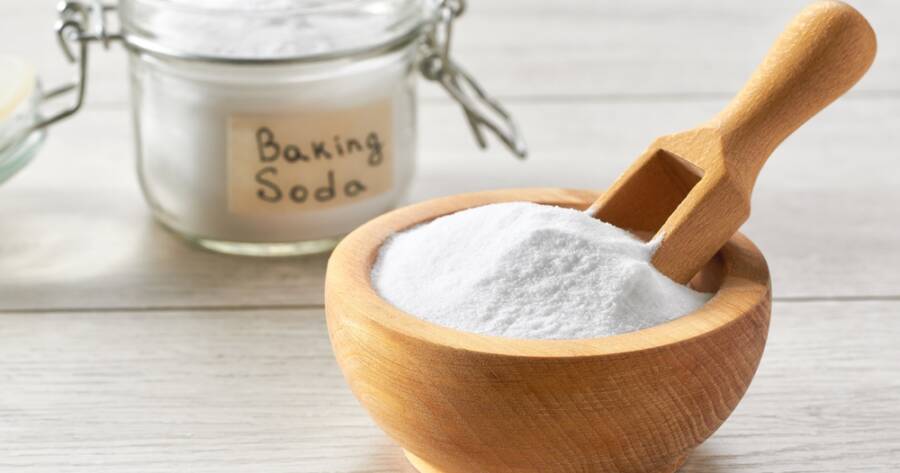
Baking soda does far more than help cakes rise. Sodium bicarbonate has a handful of practical health and personal-care uses, some backed by stronger evidence than others. From familiar household applications to more specialized uses studied in medicine and sports, knowing where it may help and where caution matters can make the pantry staple easier to use wisely.
What Makes Baking Soda a Wellness Staple?
Sodium bicarbonate is an alkaline compound, meaning it has the natural ability to neutralize acids (source). This simple chemical property is the foundation behind many of its wellness applications. When acid levels in the body become temporarily elevated, whether from physical exertion, digestive upset, or environmental exposure, baking soda may act as a gentle counterbalance. Understanding how this compound interacts with the body helps explain why so many people have turned to it as a low-cost, accessible supplement to their health habits.
It is worth noting, however, that while baking soda offers genuine benefits for many people, it is not a substitute for professional medical advice. Individuals with chronic conditions should always consult a healthcare provider before adding it to their routine.
Digestive Relief and Heartburn Support
Baking soda, or sodium bicarbonate, is an over-the-counter antacid that can temporarily relieve heartburn, sour stomach, and acid indigestion by neutralizing stomach acid. One current U.S. drug label directs adults to dissolve 1/2 level teaspoon completely in 4 fluid ounces of water before drinking it (source).
Sodium bicarbonate should only be used according to the product label and is not intended as a long-term treatment for recurring heartburn. MedlinePlus advises against using it for more than two weeks unless a doctor recommends otherwise. Because it contains a substantial amount of sodium and can interact with some medications, people on sodium-restricted diets or those with heart, kidney, or other medical conditions should check with a healthcare professional before using it (source).
Athletic Performance and Muscle Endurance
Beyond digestion, baking soda has attracted attention in the fitness world. During intense exercise, lactic acid builds up in muscles and contributes to fatigue. Because sodium bicarbonate is alkaline, it can help buffer this acid buildup, potentially extending the point at which muscles begin to tire. Research has shown that sodium bicarbonate supplementation may improve muscle endurance, benefiting participants both during rest and in fatigued states, though it does not appear to enhance muscle strength (source).
Athletes looking for a performance edge have incorporated sodium bicarbonate into their pre-workout routines for this reason, and some studies support the idea that it can meaningfully improve exercise output (source). As with any supplement, individual responses vary, and it is advisable to test tolerance before using it during competitive events.
Oral Health and Teeth Whitening
Baking soda has long been a feature of oral care products, and for good reason. Its mild abrasive properties allow it to physically remove plaque, which is the sticky bacterial film that clings to teeth and gum lines (source). If left unaddressed, that plaque hardens into tartar and can eventually contribute to gum disease. Toothpastes that include baking soda as an ingredient have shown stronger results for whitening and plaque removal compared to those that do not contain it, likely because it can break the molecular bonds responsible for surface stains (source).
For those interested in incorporating it into their dental care routine, using a baking soda-containing toothpaste regularly is a practical and accessible way to support a brighter, healthier smile without reaching for harsh chemical treatments.
Skin Care and Bath Soaks
Baking soda also finds a practical role in skin care. Adding about half a cup of baking soda to bathwater can neutralize acidic residues, wash away accumulated sweat and oils, and leave skin feeling noticeably smoother (source). This makes it a simple addition to a relaxing self-care routine, particularly after a strenuous day or workout.
The compound’s ability to neutralize irritants makes it especially soothing for sensitive or reactive skin. While it is generally well-tolerated when diluted in bathwater, individuals with very sensitive skin may want to try a small test before committing to a full soak.
Pesticide Removal and Food Safety
An often overlooked use of baking soda involves food preparation. Soaking fresh produce in a baking soda and water solution has been shown to remove a substantial amount of pesticide residue. Research found that soaking apples in this kind of solution for roughly 12 to 15 minutes removed nearly all detectable pesticide traces (source). For households that prioritize clean eating but do not always have access to organic produce, this method offers an economical and practical way to reduce pesticide exposure before meals.
Kidney Health Considerations
For those managing chronic kidney disease, acid levels in the body can gradually rise and contribute to complications such as bone loss and muscle deterioration. Sodium bicarbonate may help bring those acid levels into a healthier range and could potentially support bone strength and muscle preservation in this context (source). This is a more specialized application of baking soda and should only be pursued under the direct supervision of a physician, as improper dosing or use without guidance could cause harm rather than benefit.
Why You Should Learn More About Baking Soda and Wellness
Sodium bicarbonate is a genuinely multi-functional compound that spans oral care, digestive health, athletic performance, skin soothing, food safety, and even kidney support. Each of these applications is backed by scientific research and practical tradition, making baking soda far more than a baking ingredient. Its affordability and wide availability mean that many people can explore its benefits without significant investment.
Whether someone is looking for a gentler approach to teeth whitening, a natural post-workout supplement, or a soothing addition to a bath routine, baking soda offers measurable value. As with any wellness practice, moderation and proper usage are essential. Staying informed about the evidence behind each application, and consulting a healthcare provider when necessary, helps ensure that baking soda works as a meaningful and safe part of a broader approach to personal health.